how are blood glucose levels controlled in the body #113 the control of blood glucose
Blood glucose control is a crucial aspect of our overall health, and understanding how the body regulates this essential process is important for healthcare professionals and anyone interested in wellness. Blood glucose, or blood sugar, is the primary source of energy for the body’s cells, and it needs to be maintained within a narrow range for optimal health. The body uses two hormones, insulin and glucagon, to regulate blood glucose levels. Insulin is released by the pancreas when blood glucose levels rise, and it helps move glucose from the bloodstream into the cells for use as energy or storage. Glucagon, on the other hand, is released when blood glucose levels drop, and it triggers the liver to release stored glucose back into the bloodstream. This complex process involves numerous feedback loops and control mechanisms that help maintain blood glucose levels within a narrow range. If blood glucose levels become too high or too low, it can lead to a range of health problems, including diabetes, hypoglycemia, and hyperglycemia. To better understand how blood glucose regulation works, let’s take a closer look at the two hormones involved: insulin and glucagon. Insulin is produced by the beta cells in the pancreas and released into the bloodstream in response to rising blood glucose levels. When insulin binds to receptors on the surface of cells, it triggers the cell to take up glucose from the bloodstream. This process is essential for providing energy to the body’s cells and also helps reduce blood glucose levels. Glucagon, on the other hand, is produced by the alpha cells in the pancreas and released into the bloodstream when blood glucose levels are low. Glucagon signals the liver to convert stored glycogen into glucose and release it back into the bloodstream. This process helps raise blood glucose levels and ensures that the body has enough fuel to function correctly. Overall, the body’s ability to regulate blood glucose levels is a complex and delicate process that involves numerous feedback loops and control mechanisms. Understanding how insulin and glucagon work together to maintain blood glucose levels is essential for healthcare professionals and anyone interested in promoting optimal health. By learning more about this critical process, we can take steps to support a healthy blood glucose balance and reduce the risk of developing glucose-related health problems.
If you are looking for Hba1c Conversion Table Nhs | Brokeasshome.com you’ve came to the right page. We have 5 Images about Hba1c Conversion Table Nhs | Brokeasshome.com like Pin on EMS, Prime Global |u00 Medical Communications Agency and also Pin on EMS. Here you go:
Hba1c Conversion Table Nhs | Brokeasshome.com
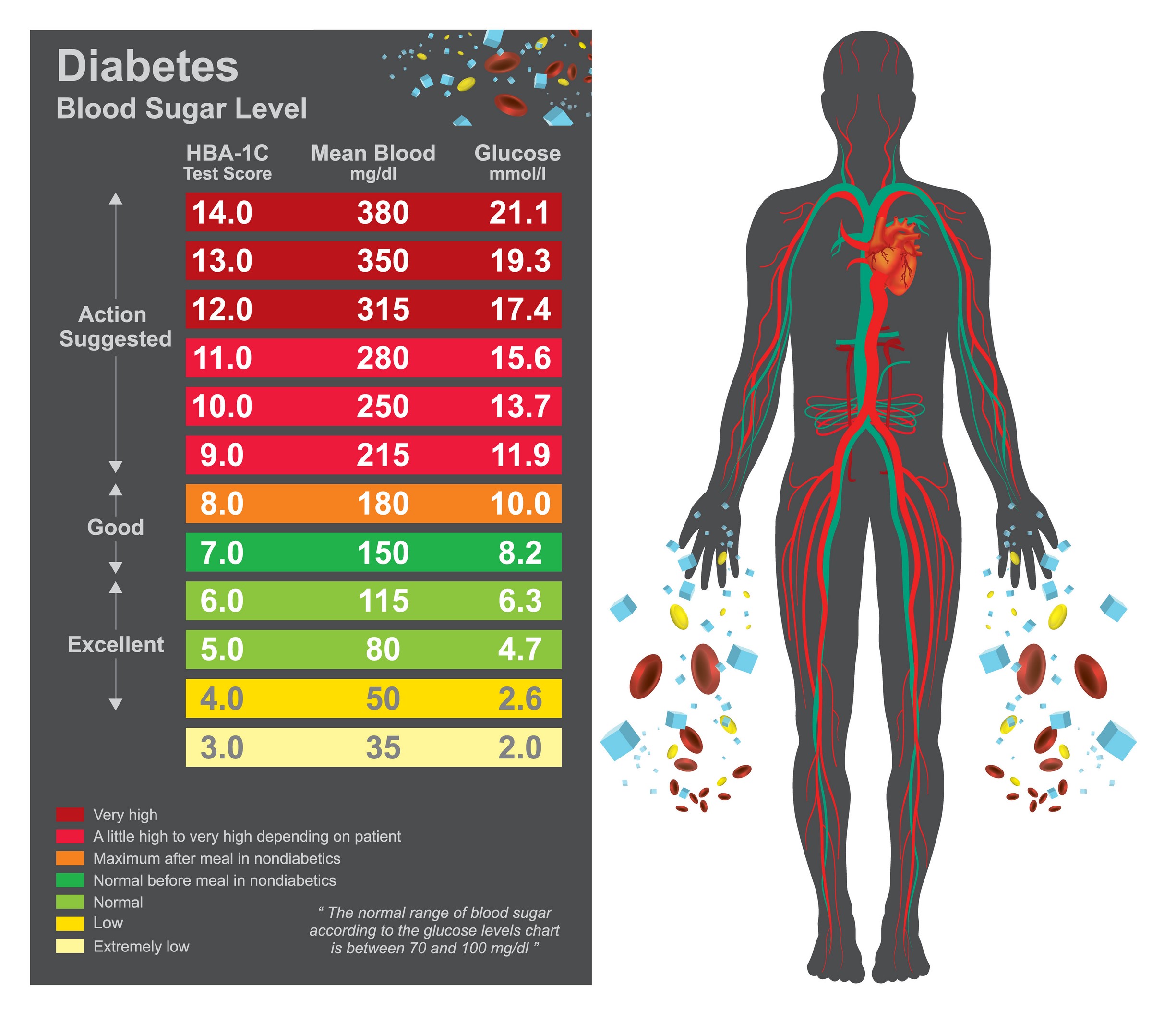 brokeasshome.comhba1c glucose diabetic nhs diabete mmol hypoglycemia insulin env ontwerp grafische diagnosing naturalwaystolowerbloodsugar convert sanità informazioni diabeticmuscleandfitness evaluate regimen tracking
Prime Global |u00 Medical Communications Agency
 primeglobalpeople.comglucose levels control diabetes blood global body liver physical release stress prime worried should increase regulates
Pin On EMS
 www.pinterest.comblood sugar levels glucose control feedback loop diabetes low hormones high negative level body diagram endocrine system insulin glucagon biology
Blood Glucose Levels: Take Control Of Your Blood Sugar | Healthy Living
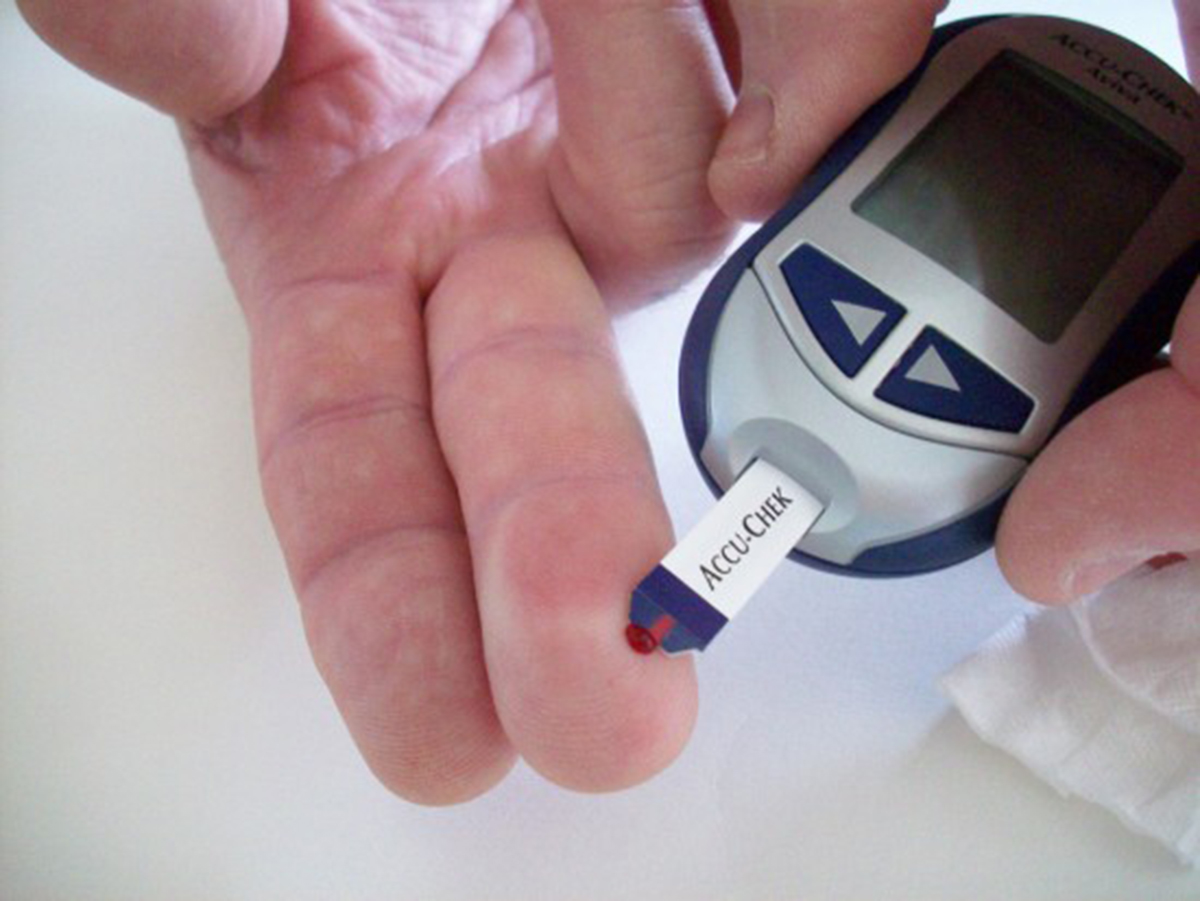 www.steadyhealth.comblood glucose diabetes control sugar levels lenses contact google take steadyhealth articles level a1c normal uct healthy measuring
#113 The Control Of Blood Glucose | Biology Notes For A Level
 biology4alevel.blogspot.comblood glucose control level summary concentration
Hba1c conversion table nhs. #113 the control of blood glucose. Hba1c glucose diabetic nhs diabete mmol hypoglycemia insulin env ontwerp grafische diagnosing naturalwaystolowerbloodsugar convert sanità informazioni diabeticmuscleandfitness evaluate regimen tracking