what functional groups are polar Polymer polar solvents functional groups acetone plastics if seek solvation guide allow solvated mek
Organic chemistry is a vast field of study that focuses on the properties and synthesis of organic compounds. Functional groups, in particular, play a significant role in determining the chemical and physical properties of organic molecules. In this post, we will explore the various functional groups that are commonly present in organic compounds. Firstly, let us define what functional groups are. A functional group is an atom or a group of atoms that are responsible for the characteristic chemical and physical properties of an organic molecule. Some common functional groups include alcohols, aldehydes, ketones, carboxylic acids, esters, and amines. One important functional group is the alcohol group, which contains a hydroxyl group (-OH) attached to a carbon atom. Alcohols are commonly used in the production of various organic compounds, such as pharmaceuticals and plastics. They also have a wide range of applications in everyday life, such as in cleaning products and personal care items. Next, we have aldehydes and ketones, which contain a carbonyl group (-C=O) attached to a carbon atom. Aldehydes have a carbonyl group at the end of the carbon chain, while ketones have a carbonyl group between two carbon atoms. Aldehydes are commonly found in perfumes, while ketones are used in the production of solvents and polymers. Carboxylic acids are another functional group that contains a carboxyl group (-COOH) attached to a carbon atom. They are often found in organic acids such as acetic acid and citric acid. Carboxylic acids are important in the food industry as they are used to regulate acidity levels in foods and as preservatives. Esters are similar to carboxylic acids, but with a different functional group. Esters contain a carbonyl group attached to an oxygen atom, which is then attached to an organic group. They are commonly found in fragrances and flavors, as well as in solvents and plastics. Lastly, we have amines, which contain a nitrogen atom attached to one or more carbon atoms. Amines are commonly found in amino acids and proteins, as well as in pharmaceuticals and dyes. In conclusion, functional groups are essential building blocks in organic chemistry. They play a significant role in determining the physical and chemical properties of organic compounds, and are used in a wide range of applications in everyday life. By understanding the various functional groups, we can gain a better understanding of the structure and properties of organic compounds.
If you are looking for S2019_Lecture_02_Reading - Biology LibreTexts you’ve came to the right web. We have 5 Pictures about S2019_Lecture_02_Reading - Biology LibreTexts like Polymer Guide: If you seek solvation, S2019_Lecture_02_Reading - Biology LibreTexts and also 2.3 Functional Groups – Organic Chemistry I. Here you go:
S2019_Lecture_02_Reading - Biology LibreTexts
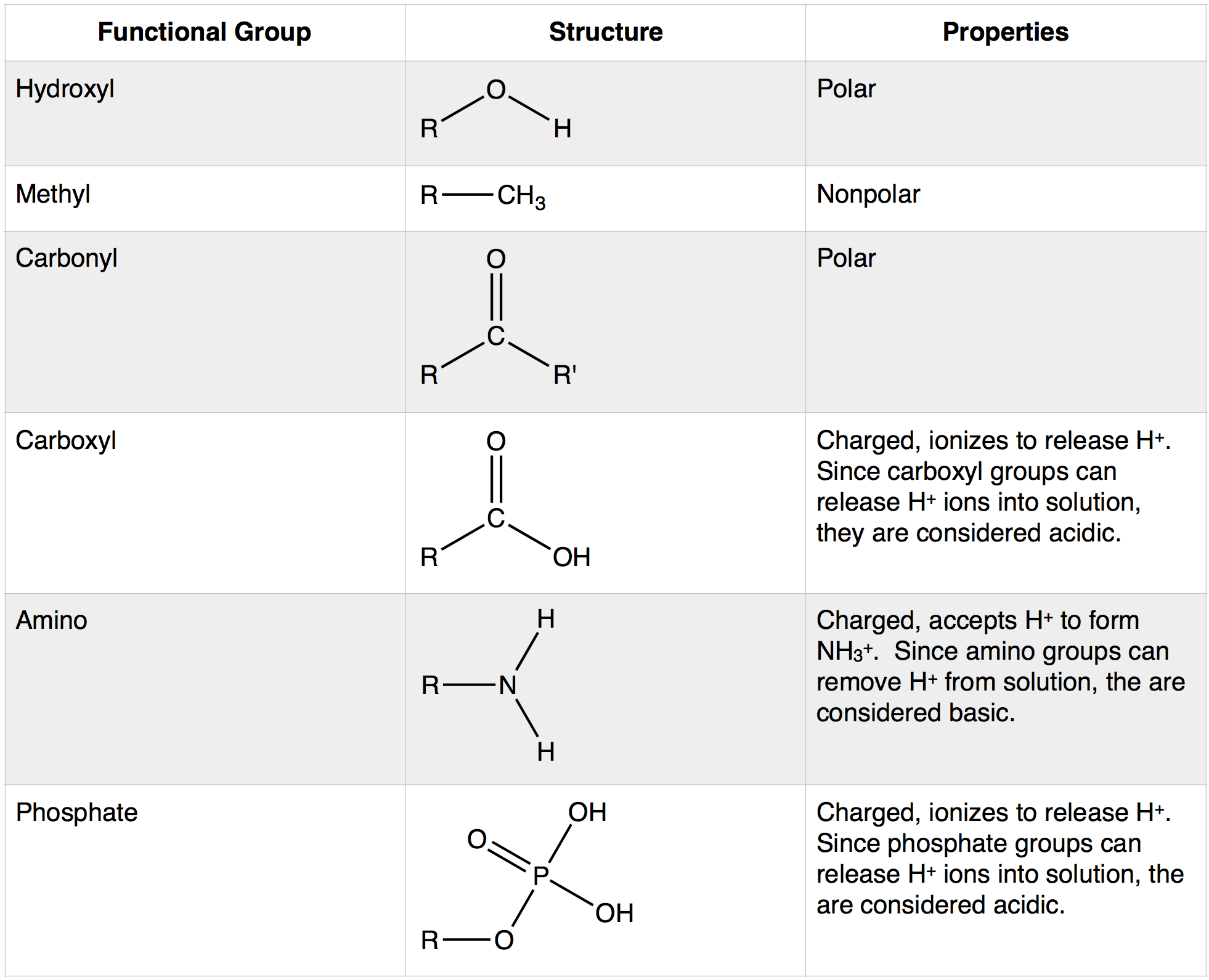 bio.libretexts.orgfunctional groups biology molecules bio different shown found figure amino hydroxyl carboxyl methyl carbonyl phosphate molecule atom these biological other
Functional Groups Present At Oxidized Graphene Layers. Such Groups Are
 www.researchgate.netgroups graphene oxidized layers
Polymer Guide: If You Seek Solvation
 depts.washington.edupolymer polar solvents functional groups acetone plastics if seek solvation guide allow solvated mek
2.3 Functional Groups – Organic Chemistry I
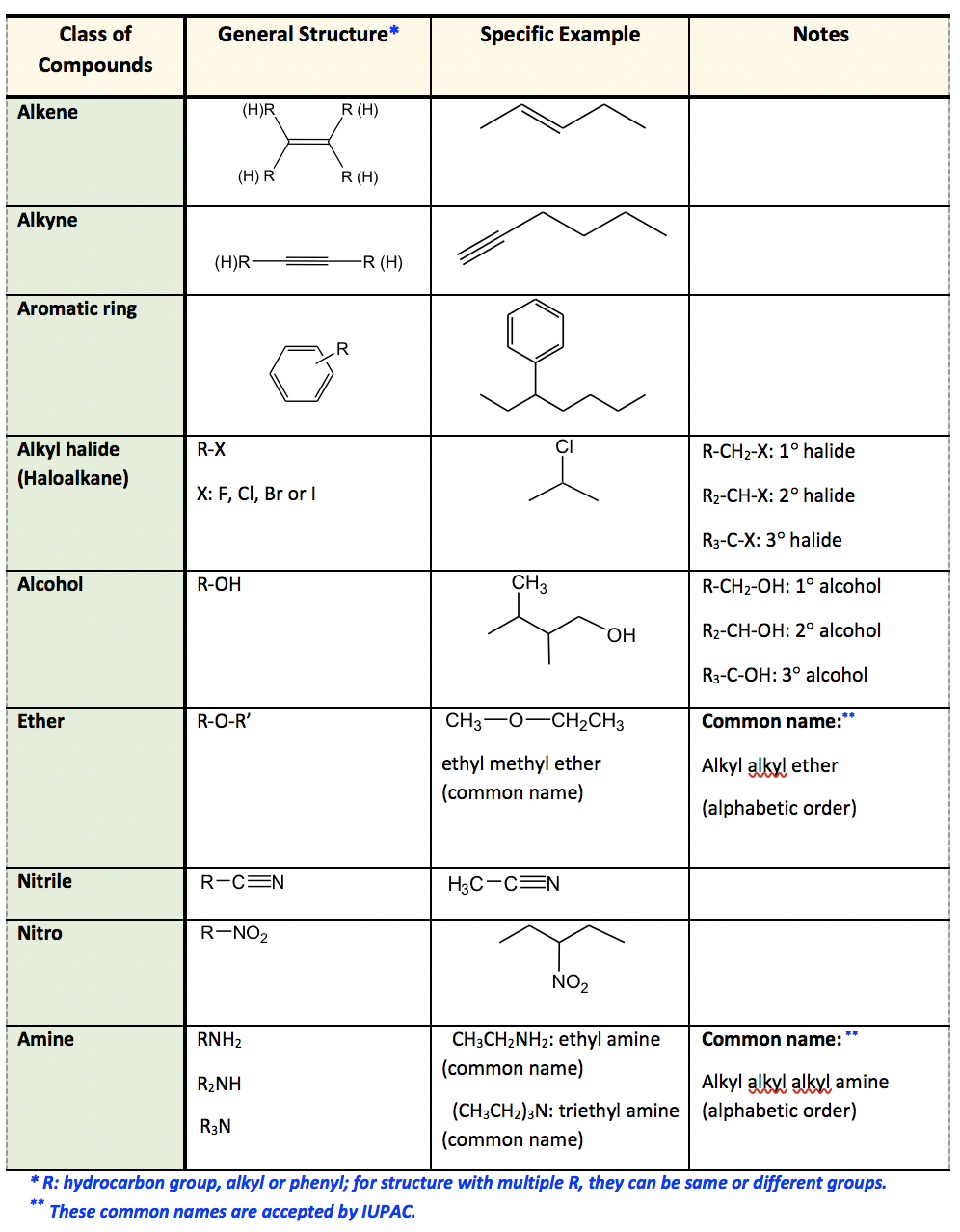 kpu.pressbooks.pub2.3: Biologically Important Macromolecules - Biology LibreTexts
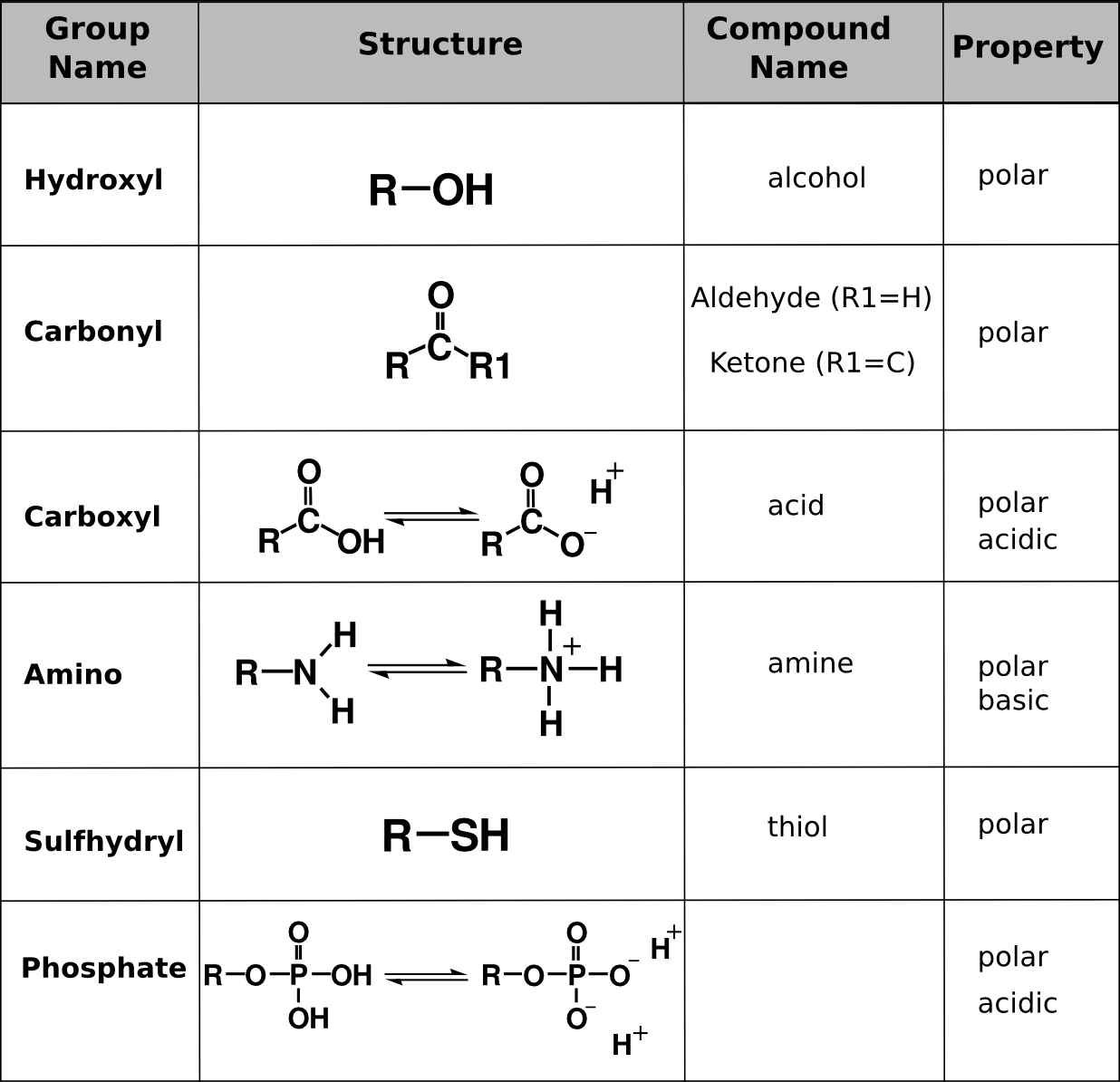 bio.libretexts.orgorganic chemistry macromolecules important functional biologically bio groups compounds table chemical biology found molecule water cells characteristics commonly libretexts apart
2.3 functional groups – organic chemistry i. Functional groups biology molecules bio different shown found figure amino hydroxyl carboxyl methyl carbonyl phosphate molecule atom these biological other. Groups graphene oxidized layers