what was the cause of cholera in 1854 Cholera: history, causes, symptoms and treatment
Cholera is a serious disease that has affected millions of people worldwide. It is a waterborne bacterial infection that causes severe diarrhea and vomiting, which can lead to dehydration, electrolyte imbalances, and even death in severe cases. Cholera outbreaks are most common in areas with poor sanitation and hygiene, as the bacteria are spread through contaminated water and food. The outbreak of cholera has been a major concern for health authorities in Europe. Scientists have been studying the origin of the epidemic and the factors that contribute to its spread. Researchers are working hard to find solutions that can help prevent and control the disease. Cholera has a long and fascinating history. It is believed to have originated in the Ganges Delta in India, where it has been documented as early as the 16th century. Since then, cholera has spread across the globe, affecting many different regions and populations. In the 19th century, cholera epidemics in Europe and the United States caused widespread panic and led to significant public health reforms. The recent outbreak of cholera in Europe has once again highlighted the need for greater awareness and prevention strategies. The bacteria responsible for cholera can survive in a variety of environmental conditions, including coastal waters and estuaries. This makes it difficult to control its spread, particularly in areas where sanitation and hygiene are poor. Despite the challenges, there are many promising strategies to help prevent and control cholera outbreaks. These include improving water and sanitation infrastructure, providing access to safe drinking water, and promoting good hygiene practices. In addition, vaccines are available that can help prevent cholera infection. If you’re traveling to an area where cholera is prevalent, it’s important to take certain precautions to protect yourself. This includes drinking only bottled or boiled water, avoiding raw or undercooked seafood, and washing your hands frequently with soap and water. If you experience any symptoms of cholera, such as severe diarrhea or vomiting, it’s important to seek medical attention immediately. Overall, the recent outbreak of cholera in Europe is a reminder of the importance of maintaining good sanitation and hygiene practices. Through continued research and public health initiatives, we can work together to prevent and control the spread of this dangerous disease.
If you are looking for Choléra : Des chercheurs traquent l’origine des épidémies en Europe you’ve visit to the right web. We have 5 Pictures about Choléra : Des chercheurs traquent l’origine des épidémies en Europe like Cholera: Causes, Symptoms, Treatment, and Prevention - Salman’s Speaks, Cholera: History, Causes, Symptoms and Treatment and also Why Geospatial Data is the Way Forward in Data Analytics? - Samashti. Read more:
Choléra : Des Chercheurs Traquent L’origine Des épidémies En Europe
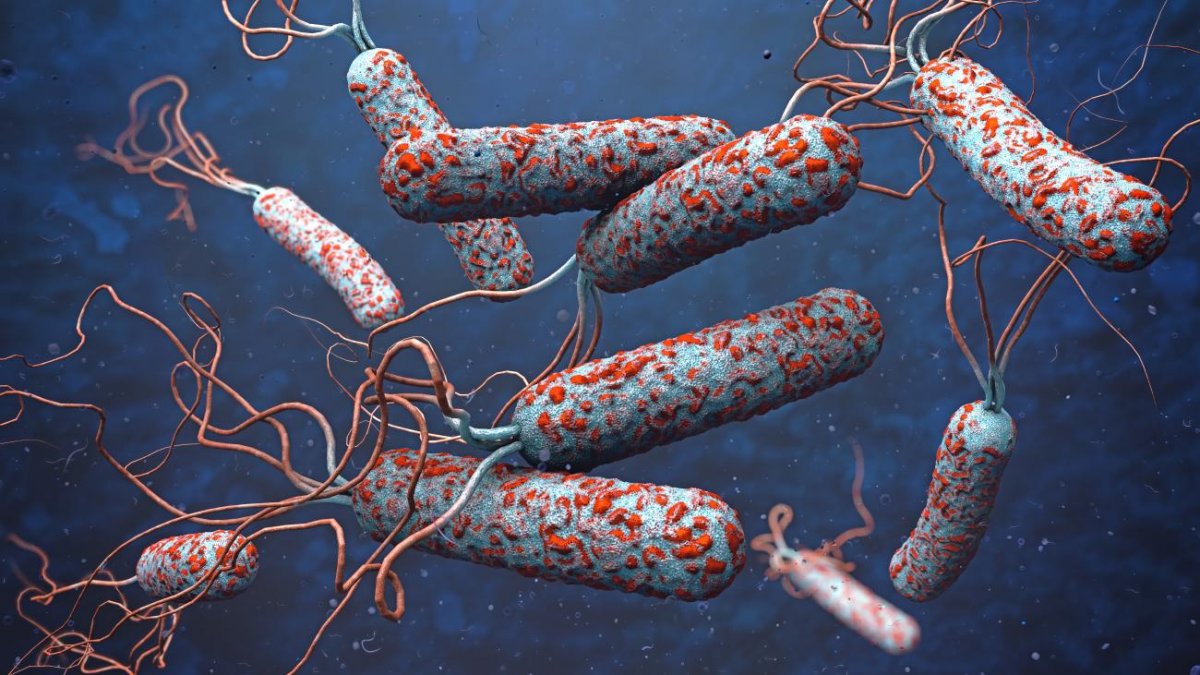 www.pasteur.frWhy Geospatial Data Is The Way Forward In Data Analytics? - Samashti
 samashti.tech1854 cholera geospatial outbreak
What Causes Cholera - DriverLayer Search Engine
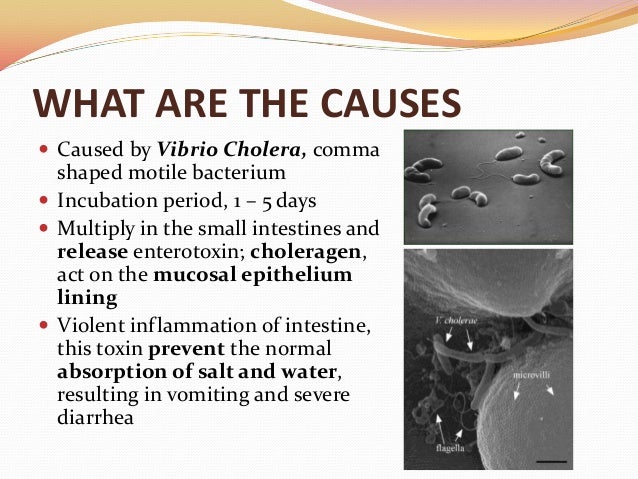 driverlayer.comcholera causes infectious nurseinfo infection vibrio
Cholera: History, Causes, Symptoms And Treatment
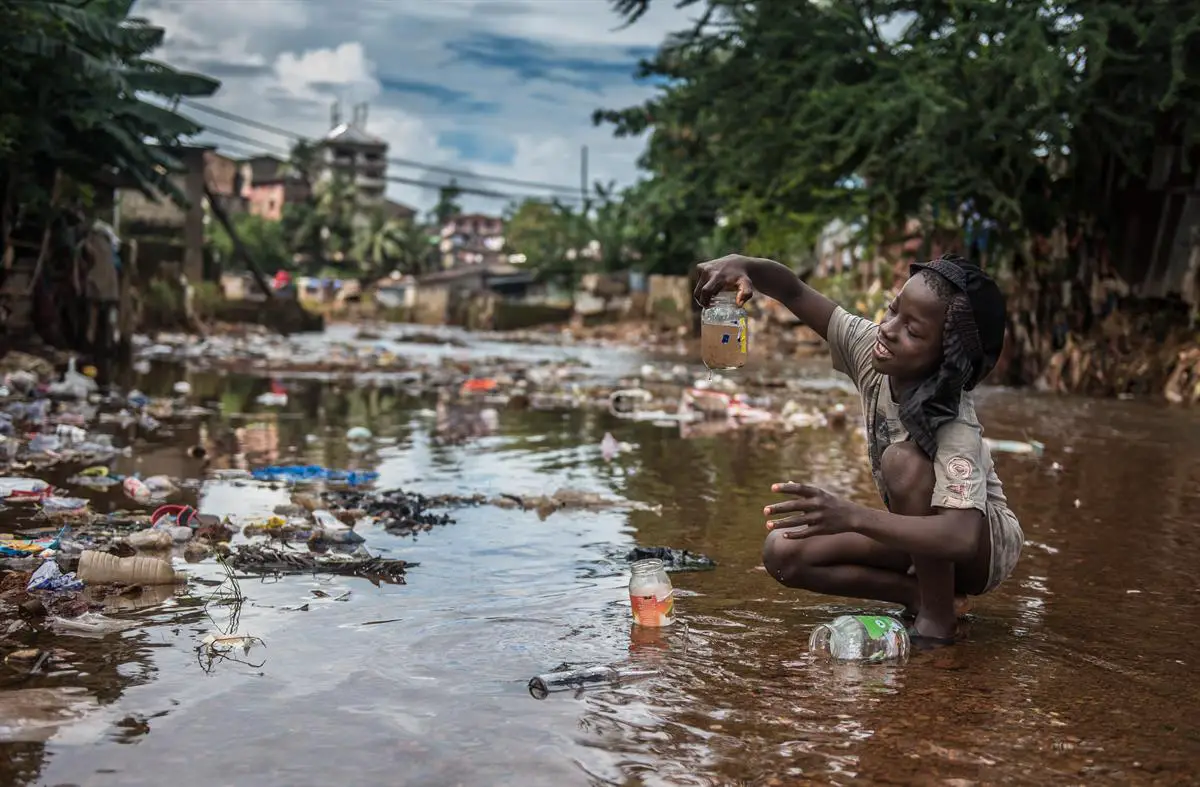 healthtian.comcholera colera causes vaccine dagospia virus symptoms caused dengue infectious bacterial unsafe tracing infetti beati muore peste mediko acute watery
Cholera: Causes, Symptoms, Treatment, And Prevention - Salman’s Speaks
 www.youtube.comcholera
Cholera colera causes vaccine dagospia virus symptoms caused dengue infectious bacterial unsafe tracing infetti beati muore peste mediko acute watery. 1854 cholera geospatial outbreak. Cholera: causes, symptoms, treatment, and prevention